
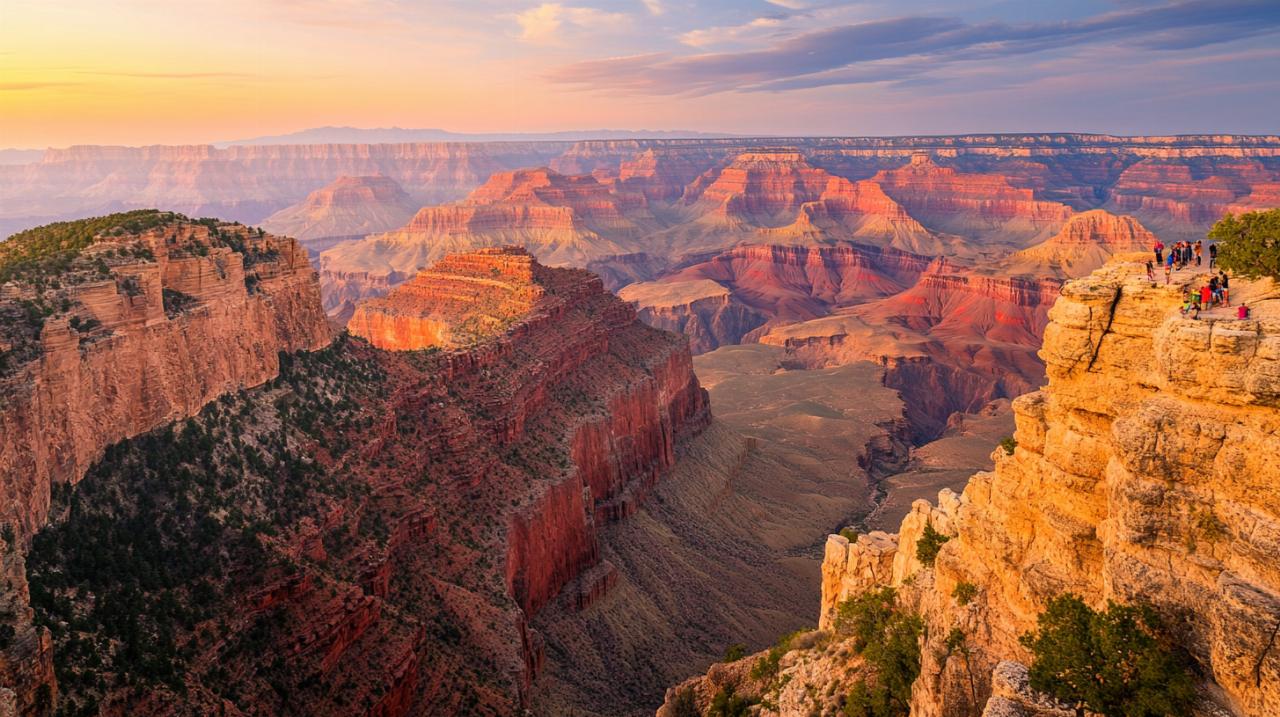
Embarking on a journey from the dazzling lights of Las Vegas to the awe-inspiring depths of the Grand Canyon is an adventure that captures the imagination of millions each year. This route, which winds through some of the most striking landscapes of the American Southwest, offers travellers a chance to witness not only one of the world's most magnificent natural wonders but also to explore iconic landmarks such as the Hoover Dam and the historic stretches of Route 66. Whether you are drawn by the promise of dramatic canyon vistas or the allure of engineering marvels, this trip provides an unforgettable experience that blends natural beauty with human ingenuity.
Planning Your Journey from Las Vegas to the Grand Canyon
When considering a trip from Las Vegas to the Grand Canyon, understanding the various routes and options available is essential for making the most of your adventure. The Grand Canyon has two primary access points from Las Vegas: the West Rim and the South Rim. Each offers distinct experiences and requires different travel times. The West Rim, managed by the Hualapai Tribe, is approximately 130 miles from Las Vegas, translating to roughly a two and a half hour drive. This destination is renowned for its Skywalk, a glass-bottom bridge that extends over the canyon floor, suspended an impressive 4,000 feet above the Colorado River. The shorter distance makes the West Rim an attractive option for those looking to complete a day trip without spending too much time on the road.
In contrast, the South Rim is part of the Grand Canyon National Park and sits about 280 miles from Las Vegas, requiring around four and a half hours of driving. Despite the longer journey, the South Rim attracts over ninety percent of the canyon's annual five million visitors, thanks to its extensive network of viewpoints, hiking trails, and cooler temperatures. Popular spots such as Mather Point, which offers visibility stretching up to 60 miles on a clear day, and the accessible Rim Trail, which spans approximately 13 miles, provide ample opportunities for exploration and photography. The South Rim's reputation for breathtaking panoramas and comprehensive facilities makes it a favoured choice for those willing to invest a bit more time in travel.
Best Routes and Transport Options for Your Trip
The route to the West Rim typically begins on Interstate 11, heading towards Boulder City and the Hoover Dam. As you leave Nevada and cross into Arizona via the Mike O'Callaghan–Pat Tillman Memorial Bridge, the landscape transforms, offering glimpses of Lake Mead and the surrounding desert terrain. Along the way, travellers can stop at Hemenway Park to spot wild bighorn sheep or enjoy a leisurely break at the Coffee Cup Café in Boulder City. The journey also takes you through the Joshua Tree Forest, where these distinctive plants, some aged between 150 and 300 years, twist skyward in a testament to the resilience of desert flora.
For those heading to the South Rim, the drive extends further into Arizona, passing through towns such as Flagstaff and Williams. This route allows for stops along the historic Route 66, which was established in 1926 and once stretched almost two and a half thousand miles from Chicago to Los Angeles. Today, 87 miles of this iconic highway run through Arizona, offering a nostalgic glimpse into mid-century American travel culture. Many visitors choose to stay overnight in Flagstaff or Williams, with recent data indicating that around 17.5 percent of travellers opt for accommodation in Flagstaff, while 12.6 percent choose Williams. These towns provide a comfortable base for exploring the canyon and experiencing the charm of small-town Arizona.
Ideal Times to Embark on Your Canyon Adventure
Timing your visit can significantly enhance your experience at the Grand Canyon. The shoulder seasons of spring, particularly from March to May, and autumn, spanning September to November, are widely regarded as the best periods to visit. During these months, the weather is generally mild, and the crowds are thinner compared to the peak summer season. This combination allows for more relaxed exploration of the viewpoints and trails without the intense heat that characterises the summer months, when temperatures can soar above 38 degrees Celsius.
Summer remains a popular time for visitors, especially families taking advantage of school holidays, but the extreme heat, particularly within the canyon itself, can be challenging. Winter, on the other hand, brings snow to the higher elevations of the South Rim, which sits at approximately 7,000 feet above sea level. While the snow can create stunning vistas, it may also close some trails and make driving conditions more difficult. Additionally, the altitude can cause discomfort for some visitors, so it is advisable to acclimatise gradually and stay well hydrated. Booking accommodation well in advance, ideally three to six months ahead, is recommended, especially if you plan to visit during the busy summer months or major holidays.
Discovering hoover dam along the way
A visit to the Hoover Dam is an essential component of any journey from Las Vegas to the Grand Canyon. This monumental structure, completed in 1935, stands as a testament to human engineering prowess and played a crucial role in the development of the American Southwest. The dam measures 726 feet in height, stretches 1,244 feet in length, and has a base thickness of 660 feet. Its construction led to the formation of Lake Mead, which, despite currently being at less than half of its original capacity due to prolonged drought conditions, remains a significant reservoir and recreational area.
Must-see attractions at this engineering marvel
Visitors to the Hoover Dam can explore several vantage points that offer panoramic views of both the dam itself and the surrounding landscape. The Mike O'Callaghan–Pat Tillman Memorial Bridge, which spans the Colorado River near the dam, provides an excellent perspective for photography and allows travellers to appreciate the scale of this engineering feat. Guided tours of the dam are available, offering insights into its construction, operation, and the vital role it continues to play in water management and power generation for the region. These tours delve into the history of the project, including the challenges faced by workers during the Great Depression and the innovative techniques employed to overcome them.
Beyond the technical aspects, the Hoover Dam also serves as a cultural landmark, symbolising the ambition and resilience of an era. The art deco design elements incorporated into the structure, including the sculptures and bas-reliefs, add an aesthetic dimension that complements the functional aspects of the dam. Nearby, Boulder City offers additional attractions, such as the Coffee Cup Café, a local favourite known for its hearty breakfasts and welcoming atmosphere. Hemenway Park, located just a short distance away, provides opportunities to observe bighorn sheep in their natural habitat, a delightful experience for wildlife enthusiasts.
How Long to Spend at Hoover Dam Before Continuing
Deciding how much time to allocate to the Hoover Dam depends on your level of interest in engineering and history, as well as your overall itinerary. A brief stop to take in the views and capture some photographs can be accomplished in about 30 minutes to an hour. However, if you wish to participate in a guided tour, which typically lasts around 90 minutes, you should plan accordingly. These tours offer a deeper understanding of the dam's inner workings and historical significance, making them well worth the additional time for those with a keen interest.
For travellers en route to the West Rim of the Grand Canyon, the Hoover Dam is conveniently located along the way, making it an easy and rewarding detour. If your destination is the South Rim, the dam still offers a worthwhile stop, though you may need to manage your time carefully to ensure you reach the canyon with enough daylight remaining to enjoy the views. Many visitors find that spending between one and two hours at the Hoover Dam strikes a good balance, allowing for both exploration and timely continuation of the journey.
Making the Most of Your Grand Canyon Visit
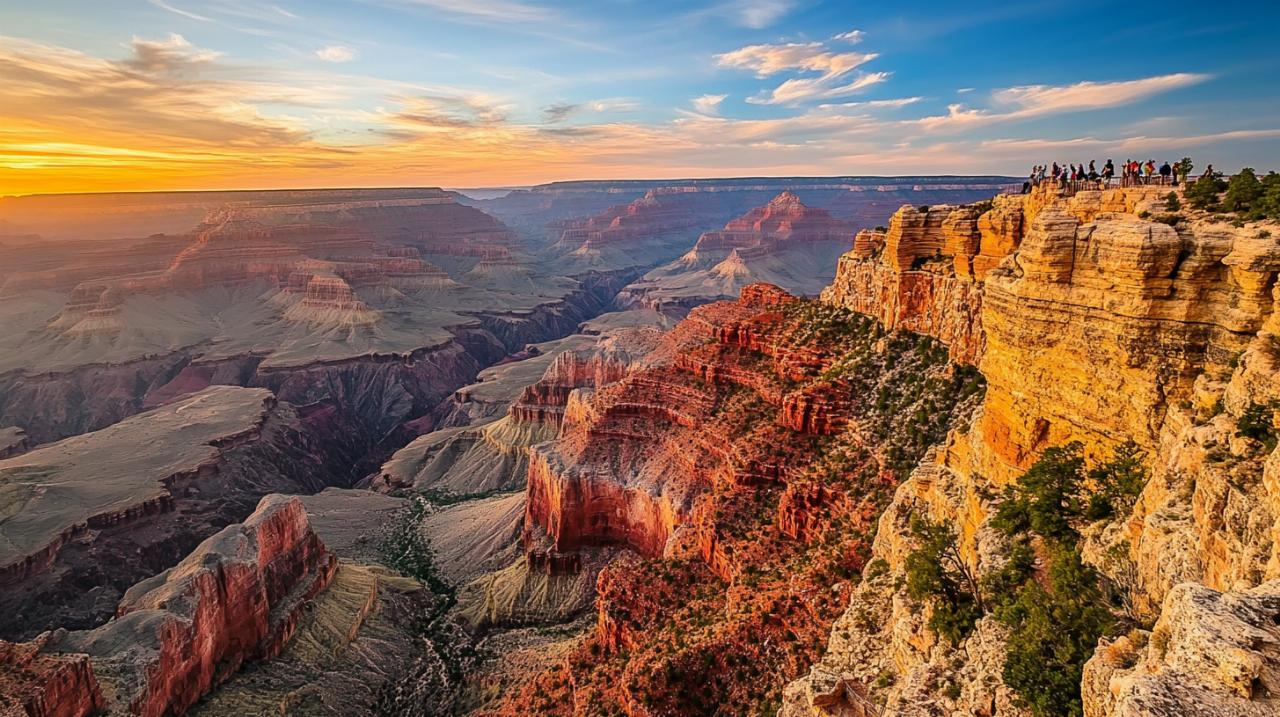
Once you arrive at the Grand Canyon, whether at the West Rim or the South Rim, the sheer majesty of the landscape is bound to leave a lasting impression. The canyon's immense scale, carved over millennia by the relentless flow of the Colorado River, presents a spectacle that photographs can scarcely capture. To truly appreciate this natural wonder, it is important to plan your visit thoughtfully, taking advantage of the best viewpoints and engaging in activities that suit your interests and physical abilities.
Top Viewpoints and Photography Spots at the West Rim
The West Rim, while smaller in scope than the South Rim, offers several unique attractions that make it a compelling destination. The Skywalk is undoubtedly the highlight, providing a thrilling experience as you walk across a transparent platform suspended high above the canyon floor. The sensation of looking down through the glass at the Colorado River far below is both exhilarating and humbling, offering a perspective on the canyon's depth that is difficult to achieve elsewhere. Guano Point, another popular spot, provides expansive views of the canyon and a glimpse into the area's mining history, with remnants of old mining equipment still visible.
For those seeking a more immersive experience, helicopter and pontoon tours are available, allowing you to descend to the canyon floor and ride along the Colorado River. These tours offer a different vantage point and the chance to appreciate the canyon's geology and ecology from within its depths. The Skyview Restaurant, located at the West Rim, provides a convenient option for lunch, with the added benefit of dining while enjoying panoramic canyon views. Many visitors find that allocating four to five hours to the West Rim allows them to experience these attractions without feeling rushed, though longer stays can be equally rewarding for those with more time to spare.
Essential Tips for a Memorable Canyon Experience
Preparation is key to ensuring a comfortable and enjoyable visit to the Grand Canyon. Packing appropriately for the season is essential, as conditions can vary significantly throughout the year. During the summer months, lightweight clothing, a wide-brimmed hat, sunglasses, and a refillable water bottle are indispensable, given that temperatures can exceed 38 degrees Celsius. In winter, the South Rim's higher elevation means that layers, thermal underwear, a waterproof jacket, gloves, and a warm hat are necessary to stay comfortable in the cold and potentially snowy conditions.
Altitude sickness can be a concern for some visitors, particularly at the South Rim, which sits at around 7,000 feet above sea level. To minimise the risk, it is advisable to stay well hydrated, avoid overexertion on your first day, and allow your body time to acclimatise. If you plan to hike, start with shorter trails and gradually increase the difficulty as you become more comfortable with the altitude. The Rim Trail, which is accessible for all skill levels and serviced by a free shuttle bus, is an excellent option for those looking to explore without committing to a strenuous hike.
Budget considerations can also influence your experience. Camping and self-driving are cost-effective options that allow for flexibility and independence, while guided tours and helicopter rides offer convenience and unique perspectives at a higher price point. Las Vegas serves as a convenient base for many visitors, with over 40 million people visiting the city in recent years, reflecting its enduring appeal as a gateway to the natural wonders of the Southwest. Whether you choose to make the trip a single day excursion or extend it over several days, the combination of Las Vegas's vibrant energy and the Grand Canyon's serene grandeur creates a journey that is both diverse and deeply satisfying.